
Pisces II: Inspiration Grounded in Form (“you’re gonna make it after all”)
In the video below, I explore Pisces II, the second decan of Pisces—a place of emotional fulfillment, embodied faith, and material flow that arises from inner trust. People with points or placements here often carry a quiet sense that life will support them. Ruled by Jupiter and the Moon, this decan blends expansion with receptivity, fusing Jupiter’s optimism and meaning‑making with the Moon’s grounding, emotional intelligence, and capacity to manifest. The result is a steady, cohesive energy that moves from seeking into contentment.
At its core, Pisces II is about integration. Linked to the Nine of Cups in the tarot, this decan expresses satisfaction that is earned through alignment rather than acquisition. In the Rider–Waite image, the seated figure rests before gathered abundance, while the Thoth card, titled Happiness, shows balanced, overflowing cups—desire fulfilled without distortion. This is the moment in the Piscean journey when longing softens into trust and spiritual insight becomes embodied stability. The shift from Hod to Yesod on the Tree of Life reinforces this movement: from analysis into foundation, from thought into lived coherence.
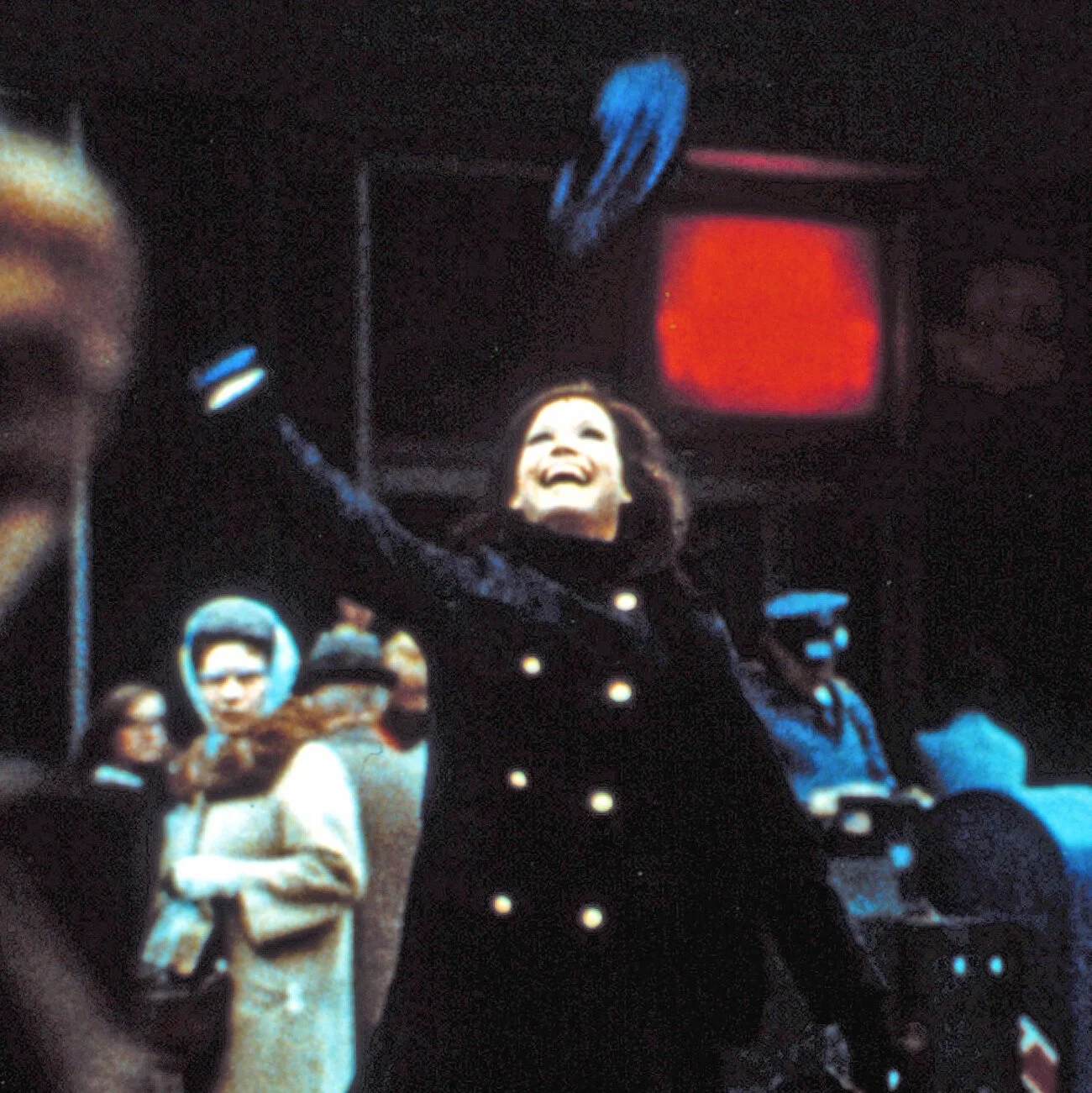
In the video, I also explore the chart of Mary Tyler Moore, whose Pisces II rising reflects this pattern of inner guidance leading to visible success. Her groundbreaking television work embodied independence, meaning, and emotional warmth, while her more difficult placements remind us that no decan operates in isolation. Pisces II ultimately teaches that fulfillment arises not from chasing desire, but from integrating it—allowing faith to become form.
Transcript (Revised and Expanded)
Hi, this is Cathy Gnatek. Today I’m continuing my series on the 36 decans of the Zodiac with Pisces II, the second ten degrees of the sign. If Pisces I represented the moment of the spiritual seeker — the turning away from purely material desire and toward a longing for connection with the divine, or with that inner source of life — then Pisces II marks a subtle but important shift. This is the phase where we begin to settle into that connection. Rather than seeking, we’re learning to feel at home in it. There’s a growing comfort, a quiet confidence, in our faith in the abundance of life itself.
In this decan, we’ll see how its rulers — Jupiter and the Moon — combine to create a distinctly supportive and generative energy. Together, they suggest not only spiritual faith, but also the possibility of tangible, material blessing for those who have planets or important points here. I’ll explore that theme through the Nine of Cups in both the Rider–Waite and the Thoth tarot decks, which offer rich symbolic insight into this part of the Zodiac. From there, we’ll turn to the Hermetic Qabbalah and the associated sephirah on the Tree of Life to deepen the philosophical foundation. And finally, I’ll share an example: Mary Tyler Moore, who had her rising degree in Pisces II, and we’ll look at how this energy expressed itself in her life.
Pisces: Sign Background
Let’s begin by grounding ourselves in the energy of Pisces as a sign. Pisces is ruled by Jupiter, is a water sign, and carries a mutable — or flexible — quality. Jupiter, as the traditional ruler, brings themes of abundance, expansion, wisdom, faith, and growth. It’s associated with generosity and meaning-making, and in classical astrology it’s considered one of the two benefic planets — one of the most supportive and life-affirming forces in the Zodiac.
As the last of the water signs, Pisces carries water energy to its most expansive expression. Water signs speak to emotion, intuition, sensitivity, and connection. Cancer, the first water sign, is often centered on personal feeling — my emotions, myinner life. Scorpio moves into the realm of relational depth — your emotions and mine, and the transformation that happens between us. But Pisces widens the lens even further. It’s less about individual feeling and more about collective feeling — the vast, oceanic sense that everything is interconnected and rooted in something greater than the individual self.
And because Pisces is mutable, there’s an adaptability to it. It flows. It responds. It can shift form without losing its essence. This flexibility allows Pisces to move between worlds — between the visible and invisible, the material and the spiritual — with a certain permeability.
If you’d like to explore the myth associated with Pisces, involving Aphrodite and Eros, I go into that more fully in my Pisces I video — I’ll link it below. But for now, let’s turn our focus to the specific planetary rulers of this decan and how they shape Pisces II in particular.
Decanic Rulers: Jupiter and Moon
In addition to Jupiter ruling Pisces as a whole, this particular decan is ruled by both Jupiter and the Moon. So immediately we can sense that this is a supportive configuration. We have Jupiter — the planet of expansion, faith, and abundance — working together with the Moon, which governs our emotional life and our lived, embodied experience. There’s a doubling of benefic energy here, but expressed in a more intimate, personal way through the Moon.
The Moon is often associated with the feminine principle — and I always like to hold that language lightly — but symbolically it represents receptivity. If the Sun illuminates the day and corresponds to what we’re conscious of, the Moon reflects that light at night. It becomes the light in the darkness. It allows us to navigate what is hidden, instinctual, or emerging from the unconscious. The Moon doesn’t generate its own light; it receives and reflects. There’s something deeply relational and responsive about that.
Because of this reflective quality, the Moon is often understood as the translator of planetary energies. It brings the archetypal down into the personal. It governs the body, the emotions, the rhythms of daily life — the ways energy actually manifests in material form. So while we often think of the Moon as emotional or maternal, it is also profoundly connected to material reality. It’s about how we live the energy.
When you combine that with Jupiter’s optimism, generosity, and sense of meaning, you get something quite beautiful. Faith is not just philosophical — it becomes embodied. Abundance is not just conceptual — it becomes lived. This pairing can suggest emotional confidence, a sense of being supported by life, and in many cases, a tangible experience of material flow.
We’ll see this reflected very clearly when we turn to the tarot correspondence for this decan, the Nine of Cups.
Tarot Correspondence: Nine of Cups
The tarot card associated with this decan is the Nine of Cups. I want to look at it through both the Rider–Waite and the Thoth decks, because together they give us a fuller picture of the flowing, supportive quality of Pisces II.
There’s something distinctive about people who have planets or key points in this part of the Zodiac. Often there’s a capacity to receive guidance — whether we call that intuition, divine inspiration, or inner knowing — and then to translate it into lived experience. There’s a trust in something greater than the ego. And rather than striving first and hoping fulfillment follows, the movement here is different: faith comes first. Trust comes first. And from that trust, material and emotional abundance seem to flow.
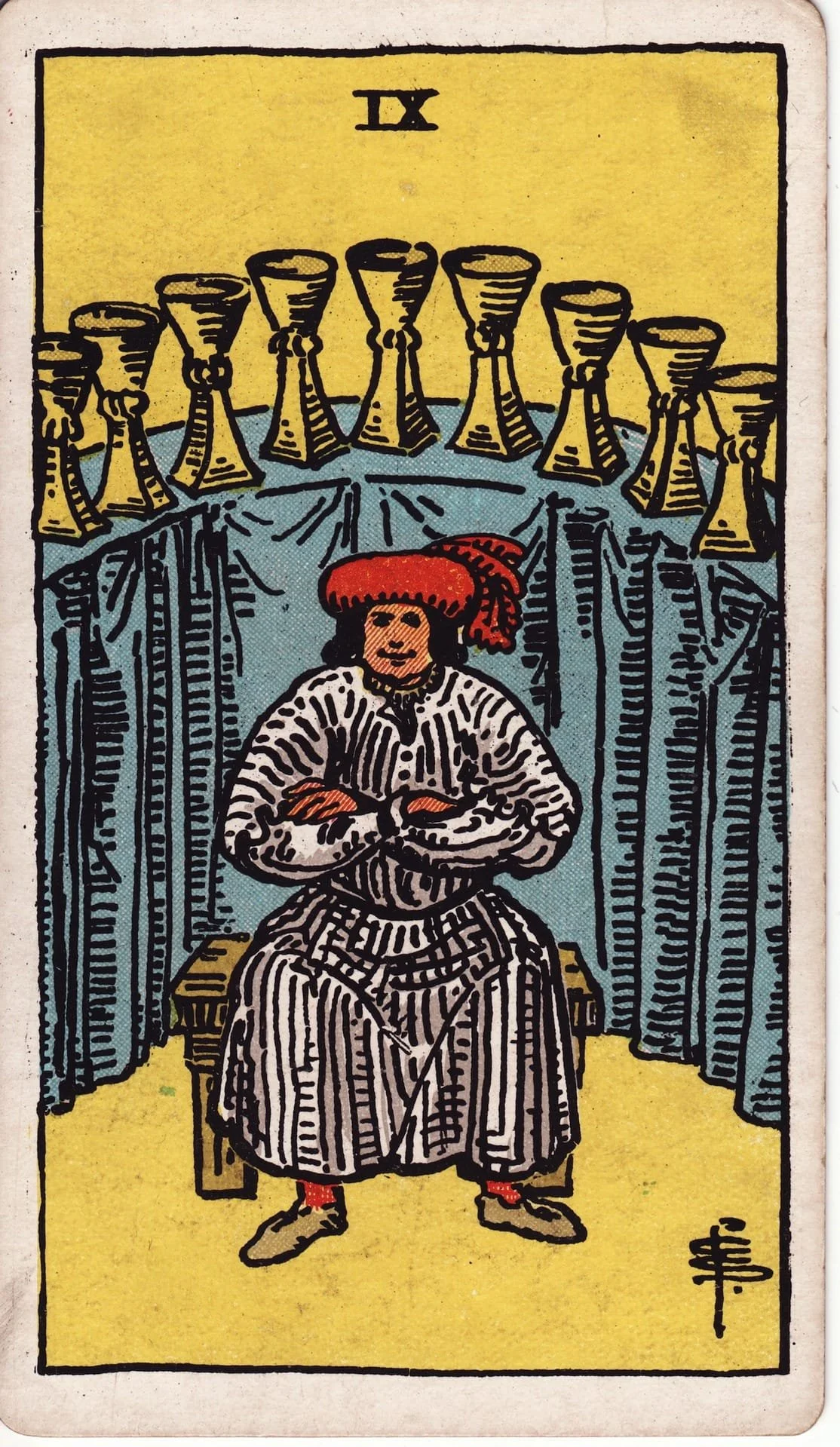
9 of Cups, Rider-Waite Tarot
It’s almost the reverse of the conventional formula for success. Instead of saying, “I will strategize my way to achievement,” Pisces II says, “I will align myself inwardly and allow myself to be guided.” And paradoxically, that surrender often creates a steadier and more organic kind of success.
In the Rider–Waite Nine of Cups, we see the familiar image of the seated man with the nine cups arranged behind him. He looks satisfied — comfortable, confident, perhaps even a little indulgent. Austin Coppock, in his work on the decans, notes that this placement can sometimes show up quite literally as material success, even in business. There’s a grounded prosperity here. The figure isn’t striving; he’s enjoying what has already been gathered.
Rachel Pollack, in 78 Degrees of Wisdom, describes this card as emotional satisfaction, enjoyment, and the pleasure of having one’s desires fulfilled. Importantly, she emphasizes that it’s not about excess for its own sake. There’s a tone of contentment — a gratitude that arises from feeling supported by life. At a deeper level, the Nine of Cups can represent emotional sovereignty: the ability to receive joy without clinging to it, to feel fulfilled without tipping into complacency or overindulgence.
We’ll see this dynamic reflected in Mary Tyler Moore’s life. Although she experienced very real personal struggles, she consistently chose roles and projects that aligned with her inner values rather than simply pursuing what might have seemed strategically advantageous. Had she calculated her path purely for conventional success, she may have made very different choices — and ironically, might have achieved less lasting security and influence. There’s something very Piscean about that: choosing alignment first, and allowing success to follow.
When we turn to the Thoth deck, Crowley titles this card the Lord of Material Happiness, which beautifully captures the decan’s tone. It’s not fleeting pleasure. It’s happiness that has taken form.
Tarot Correspondence: Nine of Cups (Thoth)
In the Thoth deck, the Nine of Cups presents a slightly different visual tone, but the underlying message is similar. The nine cups are arranged in balanced symmetry, and water flows evenly between them — abundant, but calm. There’s no turbulence, no spilling over in chaos. The flow is steady and contained.
That image really captures something essential about Pisces II. This isn’t chaotic emotion or over-the-top indulgence. The water is flowing, yes, but it’s flowing evenly. It’s contained. There’s a sense that the abundance has settled into form. And that’s important. The pleasure here isn’t impulsive or dramatic — it’s steady. It’s the kind of fulfillment that lasts because it’s grounded in something deeper. There’s a quiet stability to it. A sense that life is supporting you, and you’re not fighting that support — you’re allowing it.
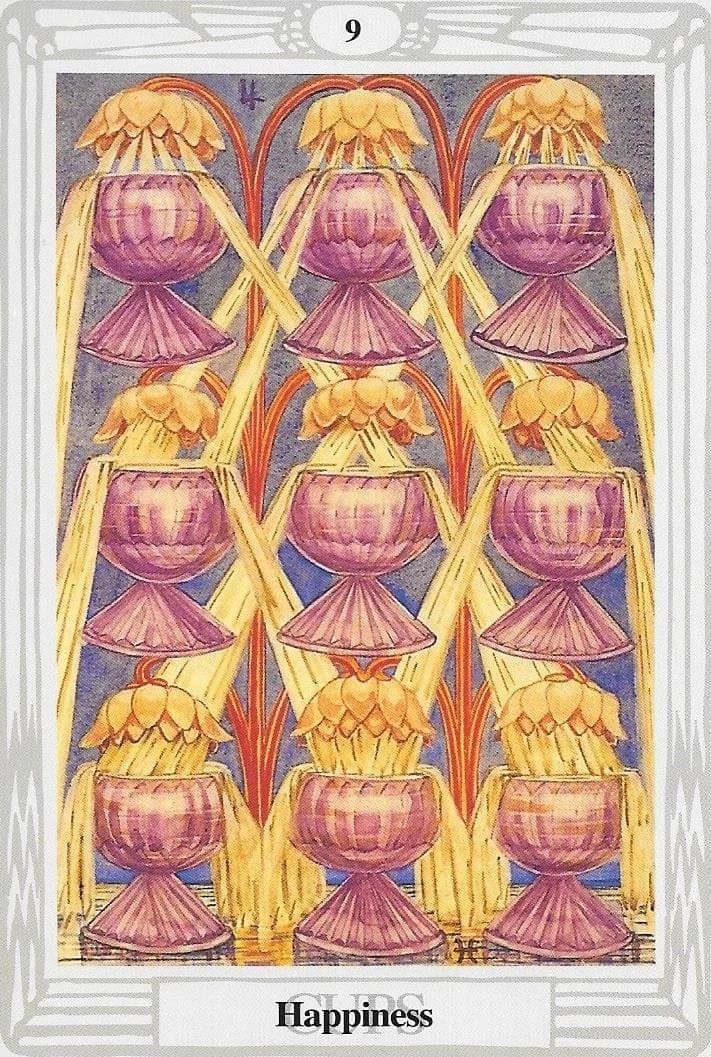
9 of Cups, Thoth Deck
For individuals with their rising degree or key planets in this decan, there can be a natural ability to “go with the flow” — but not in a passive sense. It’s more that they trust the current of life. They often carry an inner composure that allows them to move with circumstances rather than fight them. And that quality can be contagious. Others may feel steadier simply being around them.
Crowley described this card as emotional fulfillment supported by inner structure — desire satisfied without distortion. I think that phrase is especially meaningful. The happiness here is not grasping or inflated. It represents contentment, gratitude, and the ability to enjoy what has already been attained. There’s a maturity to it. A sense that fulfillment arises not from constant acquisition, but from recognizing and inhabiting what is already present.
Hermetic Qabbalah: Yesod
Now let’s move to the Tree of Life in the Hermetic Qabbalah. The image you’re seeing is that familiar mystical diagram that shows the descent of divine energy into the material world. There’s the lightning flash that traces the movement of creative force from Kether at the top — pure source — all the way down to Malkuth at the bottom, which represents the physical realm. It’s a symbolic way of showing how inspiration becomes incarnation, how something spiritual actually takes form.
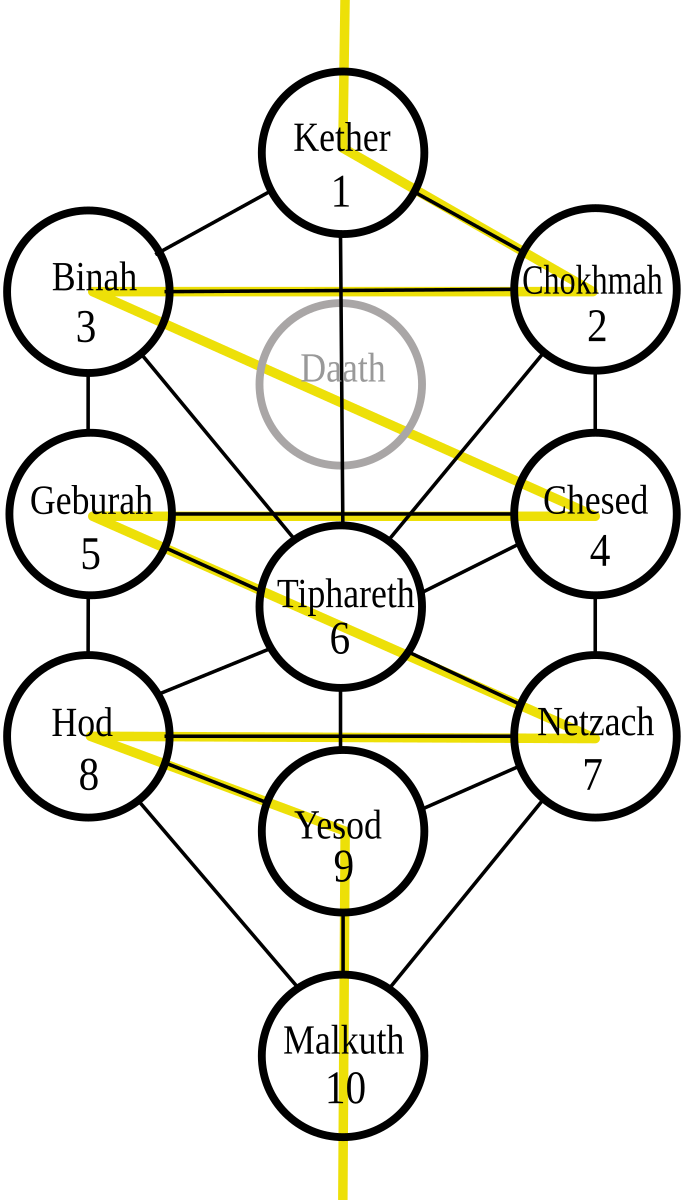
Tree of Life, Hermetic Qabbalah
With Pisces II and the Nine of Cups, we’re at the number nine on the Tree of Life, which corresponds to Yesod. Yesod is often translated as “foundation.” It’s about inner cohesion, the deep emotional and psychic structures that support consciousness and desire. That can sound abstract, but it really connects directly to what we’ve already been talking about.
If Jupiter represents this expansive, optimistic, meaning-filled energy, and the Moon represents the body, emotion, and lived experience, then Yesod is the place where that energy consolidates. The Moon receives the overflow of Jupiter and gives it form. It becomes the foundation that allows inspiration to manifest in a stable way. In that sense, nine energy is about becoming a vessel — allowing something greater to move through you into the world, but in a way that’s grounded and integrated.
We’ve moved now from eight — Hod — into nine, Yesod. Eight has a more analytical quality. It can correspond to seeking, questioning, discerning. That’s very much the feeling of Pisces I and the Eight of Cups — the spiritual seeker walking away in search of something more. But in Pisces II, that seeking has settled. The insight has been internalized. Instead of searching for the source, we’re resting in it.
Yesod carries the quality of consolidation. Feelings are no longer scattered; they’re gathered into an inner foundation. In Pisces, this can show up as emotional fulfillment, gratitude, and the ability to rest in one’s own inner world without needing to chase the next thing. When we think back to the figure in the Nine of Cups, he’s seated calmly before what has already been accumulated. He isn’t striving. He isn’t looking over the horizon.
That’s really the lesson of Yesod here: fulfillment comes when desire is understood, integrated, and allowed to come to rest.
Example Chart: Mary Tyler Moore
So let’s look at Mary Tyler Moore, who has her rising degree in this decan. Her chart is actually quite complex, and I want to acknowledge that right away. As much as she had Pisces rising in this second decan — and as much as she clearly lived out this theme of bringing something inspired and meaningful into the world — she also experienced very real hardship in her life as reflected by her Moon conjunction Pluto which was square to Mars in her birth chart. We’ll touch on some of those more difficult chart factors in a moment. But first, I want to stay with the Pisces II expression.
Mary Tyler Moore was a huge presence in my own childhood. I grew up watching The Mary Tyler Moore Show. Before that, she starred in The Dick Van Dyke Show, which brought her widespread recognition. But what’s especially interesting is that after achieving success there, she didn’t simply continue playing similar roles. She created something new.
In the early 1970s, she developed The Mary Tyler Moore Show, centered on Mary Richards — a single woman working at a television news station. At that time, it was still culturally assumed that a woman’s primary storyline would revolve around marriage. But this character wasn’t defined by romance. She wasn’t searching for a husband. She was building a career. She cared about competence, independence, and meaningful work.
That choice was groundbreaking. And it wasn’t accidental. Mary Tyler Moore was very intentional about shaping the character as someone who was self-defining — someone who stepped into the world not because she was reacting to circumstance, but because she had her own vision of what her life could be.
That feels very Jupiterian to me. Jupiter, ruling both the sign and the decan, is about meaning. It asks: What is worth doing? What aligns with my values? And in Pisces II, that meaning is trusted. It’s followed. Her portrayal of Mary Richards reflects that pattern — choosing vocation and inner alignment first, and discovering that success flowed from that commitment.
The show wasn’t about conquest. It was about building a life. And it became a cultural emblem of that possibility. The theme song — “You’re going to make it after all” — captures that faith in life. There’s that iconic image of her tossing her hat into the air in Minneapolis — my hometown, which is why there’s now a statue of that moment there.
There’s something so Piscean about that image. It carries optimism, but not naïveté. It carries trust. Both the character and Mary Tyler Moore herself were doing something countercultural at the time. And yet there was a centeredness in it — a grounded confidence in bringing something new into form. That’s very much the energy of Pisces II: trusting the inspiration, embodying it, and allowing it to take shape in the world.
At the same time, her chart carries much more difficult energy alongside that Pisces II rising. Mary Tyler Moore had the Moon conjunct Pluto in Cancer in her fifth house, square Mars in Libra in the eighth, with Saturn conjunct her Ascendant and tightly opposing Neptune. Moon–Pluto often correlates with emotional intensity and major life transformations, and the square to Mars in the eighth house can show up through crises involving intimacy, shared resources, or survival themes that require tremendous strength.
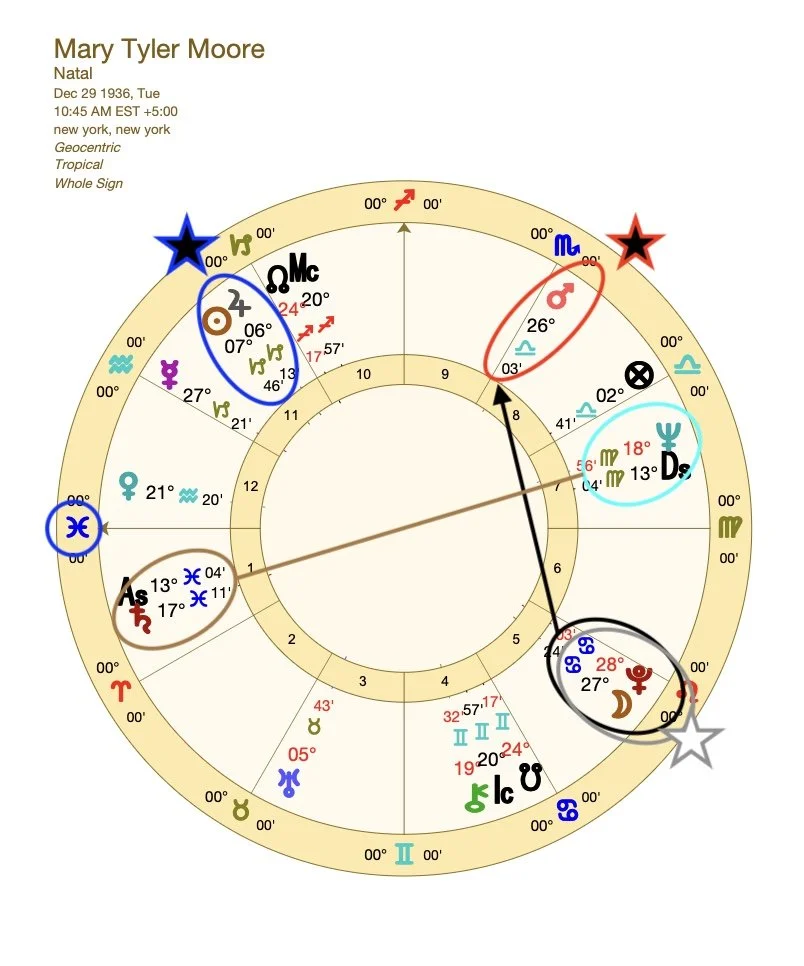
It’s also important to note that Jupiter rules her Pisces Ascendant, so it rules the entire chart — and her Jupiter is in Capricorn, the sign of its “fall.” A planet in fall is operating in a sign that challenges its natural expression. Jupiter naturally signifies expansion, optimism, and growth, but in Capricorn it must work through structure, limitation, and responsibility. (I explain this more fully in my video on planets in fall). So the abundance associated with Pisces II wasn’t simply effortless; it required discipline and sustained effort.
Mars, which squares her Moon–Pluto conjunction, is in Libra — the sign of its “detriment,” meaning it’s in the opposite sign of its rulership and doesn’t express its assertive qualities in a straightforward way. (I also have a video on planets in detriment.) Taken together with Saturn rising opposite Neptune, we see a life that combined visibility and success with real struggles, including her very public recovery from alcoholism and her long-term health challenges with Type 1 diabetes. The chart reflects both the promise of Pisces II and the weight of the work required to embody it.